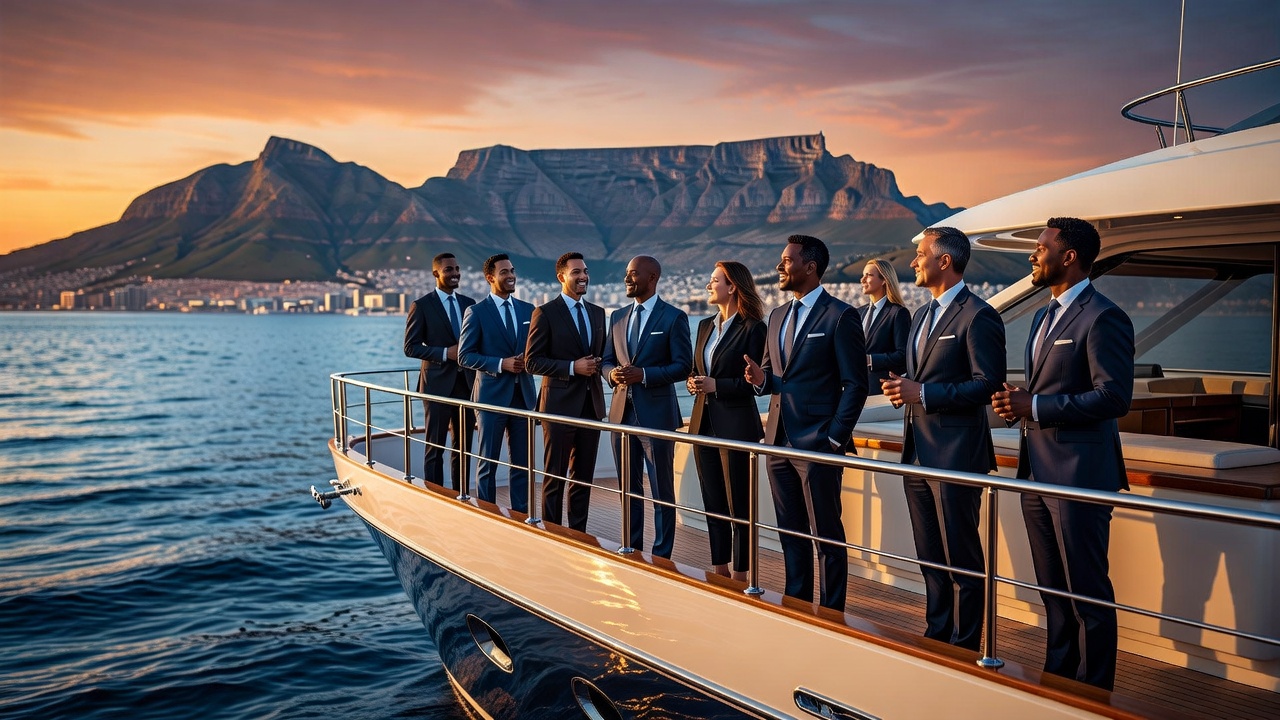
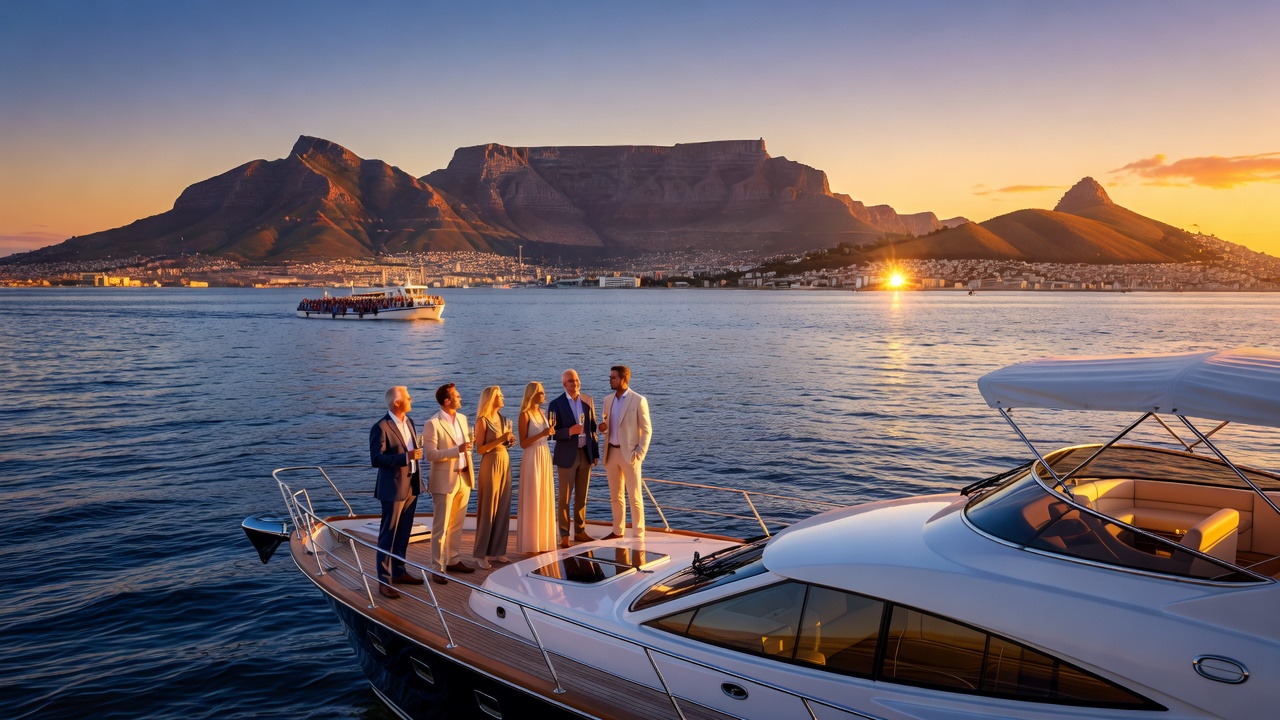
Cape Town is a spectacular place for a yacht charter, with the ocean and the mountain meeting right in front of you. Choosing between a catamaran and a motor yacht shapes the whole day, from how the boat feels in the swell to the kind of time you have with family or friends. This comparison looks at the practical differences in space, speed, stability and cost, so you can match the boat to your plans. The weather around the peninsula plays a part, and it helps to understand the trade-off between engine power and sail. Some guests want to spend the afternoon under sail. Others would rather zip from one bay to the next. Our fleet has plenty of both, for a quick sunset outing or a full day along the coast. A little planning around the wind and your group size turns a good day out into a great one.
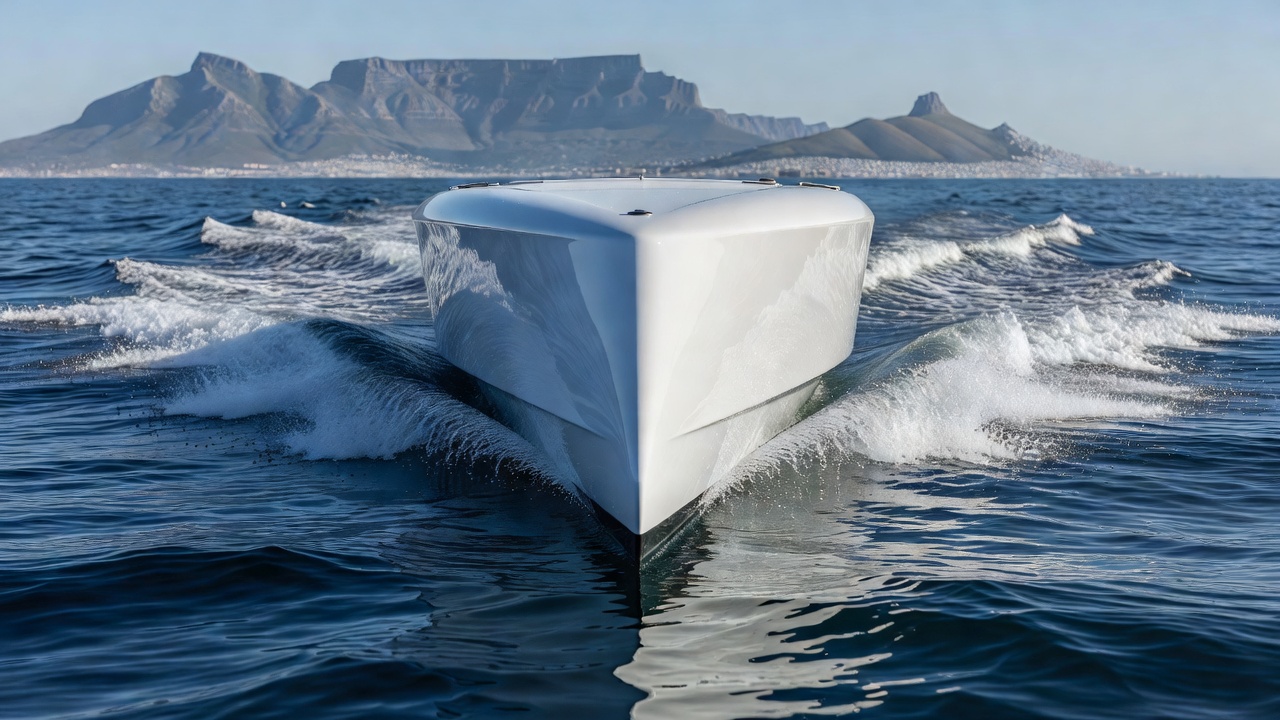
A catamaran sits on two hulls, which spreads its weight and gives a steadier ride when the wind picks up. A motor yacht sits on a single, deeper hull with powerful engines, so it can push through chop at a steady speed. In Cape Town, where a swell can roll in out of nowhere, the catamaran's width noticeably cuts down the side-to-side rolling. Motor yachts make up for it with stabilisers and weight, but they burn more fuel over the same distance. The catamaran's width makes it easier to handle alongside the jetty, while a motor yacht needs tighter handling in a busy marina. Either way, modern navigation gear makes every trip smoother.
The layouts are different too. Catamarans usually have a wide saloon in the middle and cabins tucked into each hull, which feel private. Motor yachts keep the living space together on one level, with an open-plan feel that suits groups who like to stay together. The galley sits in a different place as well, which changes how food is served on the move. These details matter most if you're planning an overnight stay on board.
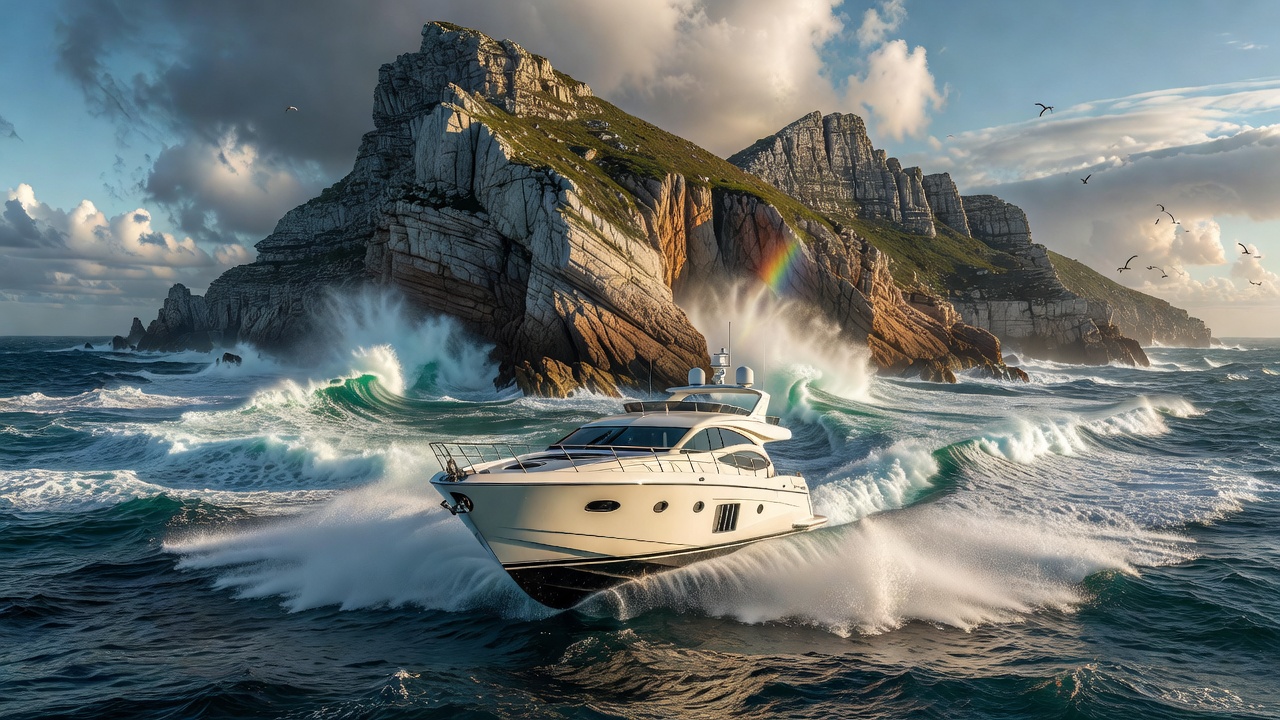
Cape Town's wind rewards boats that can use it. A well-rigged sailing catamaran can glide along quietly with the breeze on the beam, so guests hear the water instead of an engine. Motor yachts give up that quiet in return for keeping to a schedule whatever the wind is doing. That makes them handy for a quick run out to Clifton or a fishing spot. Running costs come into it too, which is why sailing boats tend to be the better value when you're not in a hurry.
Nobody is chasing speed records here. Comfort over a few hours on the water matters more. Catamarans shine on longer cruises, when seasickness can become an issue, while motor yachts are at their best on short hops between sheltered bays, when getting there quickly matters more than saving fuel. Your skipper knows which boat suits which route, so ask.
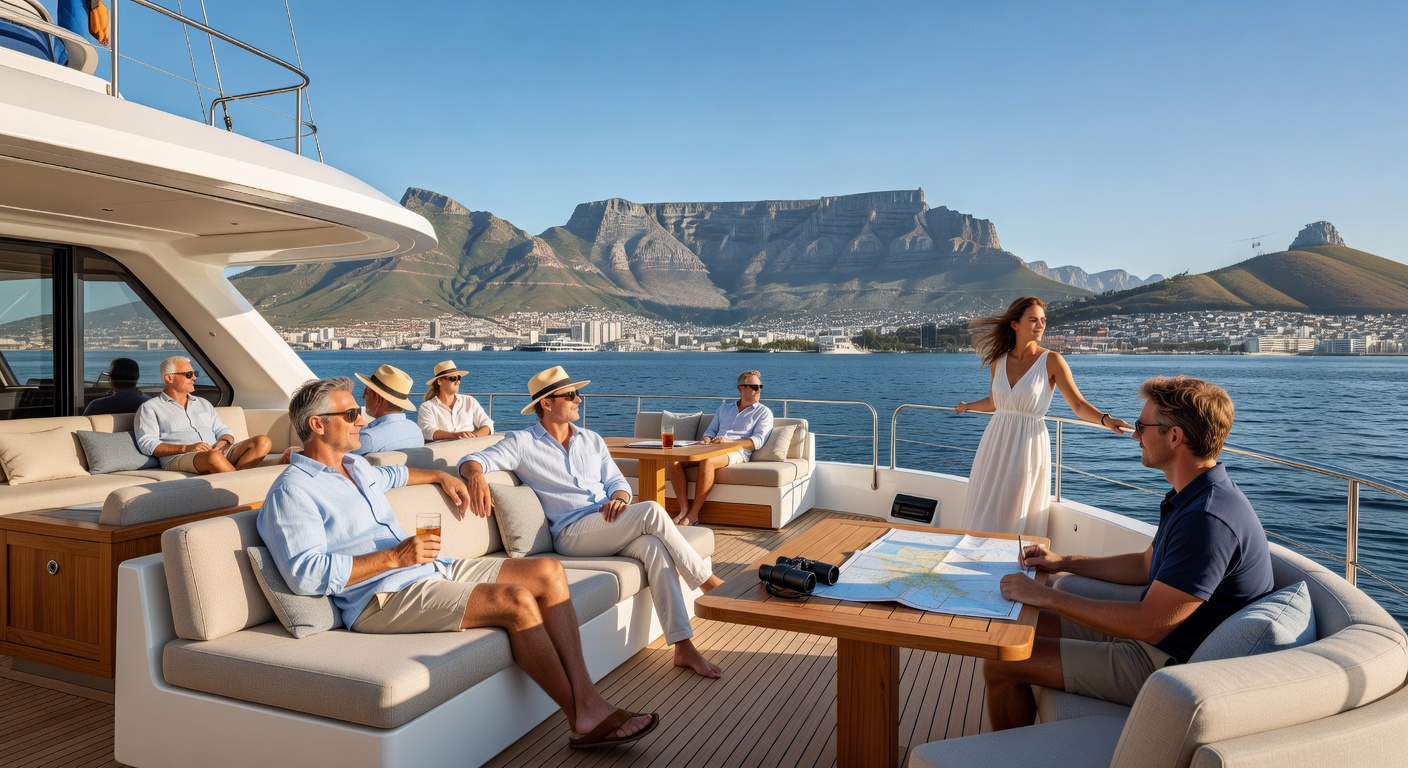
Deck space sets the mood. Catamarans have wide trampolines at the front and flybridges up top, perfect for lounging under sail. Motor yachts answer with sleek flybridges and swim platforms at the back for easy access to the water. Bigger motor yachts usually carry larger generators to run the air-conditioning and other comforts, which is a bonus on a hot December day.
Noise inside depends on the design. On a catamaran the engines sit away from the living areas, so cabins stay quieter at anchor. Motor yachts keep their engines low in the hull, but you can still feel some vibration at high revs. Good soundproofing helps, but you'll notice the difference on a longer trip.
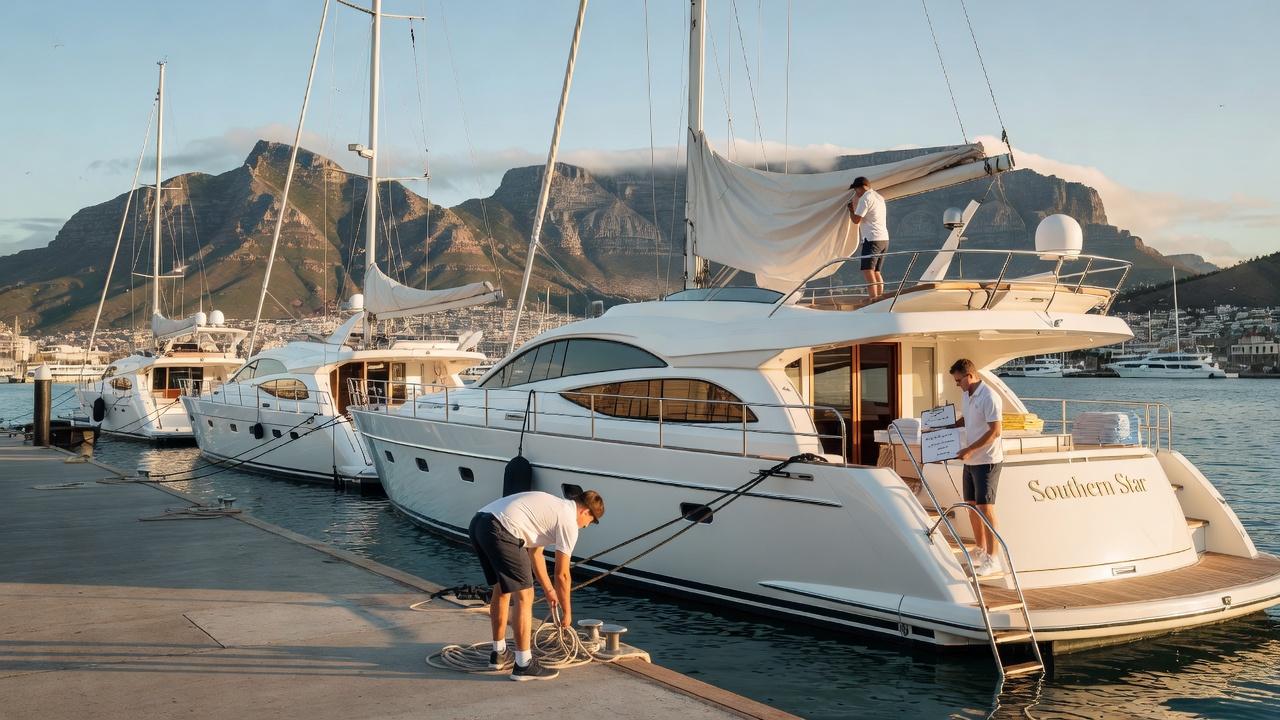
Hourly rates reflect fuel, crew and upkeep, and the range is wide on both sides. Catamarans start lower and take more people. Our catamarans run from R7,000 an hour on Le Cat (12 guests) to R16,500 an hour on IQ Catamaran (33 guests) and R21,800 on Tigresse (60 guests). Luxury motor yachts carry fewer guests and cost more per head. Motor Yacht Topaz is R15,829 an hour with a 2-hour minimum, Luna R16,000 an hour and Princess Emma R20,867 an hour with a 3-hour minimum, each for up to 12 guests. Book early for December and January, when demand peaks and a few boats charge festive rates.
Catering and crew tips work the same way on either type. The real variable is how much engine time your day needs. Groups who like to drop anchor in a quiet bay and stay put will find a catamaran kinder on the budget. Those who want to pack in several stops lean towards a motor yacht and accept the higher running costs. Compare every boat in our Cape Town yacht hire prices guide, or see our picks for a mid-range boat charter in Cape Town.
Families with a mix of ages usually prefer a catamaran for its stability and play space. Corporate groups who need to move quickly or want a sleek setting for clients often lean towards a motor yacht, while big team outings need the space of a large catamaran. Some of our catamarans, like Eclipse and Tigger 2, are power catamarans, which give you the stability of two hulls with the reliability of engines. Reading past guest reviews helps narrow it down before you lock in a date.
Photographers love the high vantage points on both, but catamarans give more open angles for wide seascapes. Swimmers and snorkellers will want an easy ladder or swim platform, so ask about it. In the end it comes down to how you picture your day on the water. If a catamaran sounds right, the 4-hour private cruise on IQ Catamaran is a great place to start.