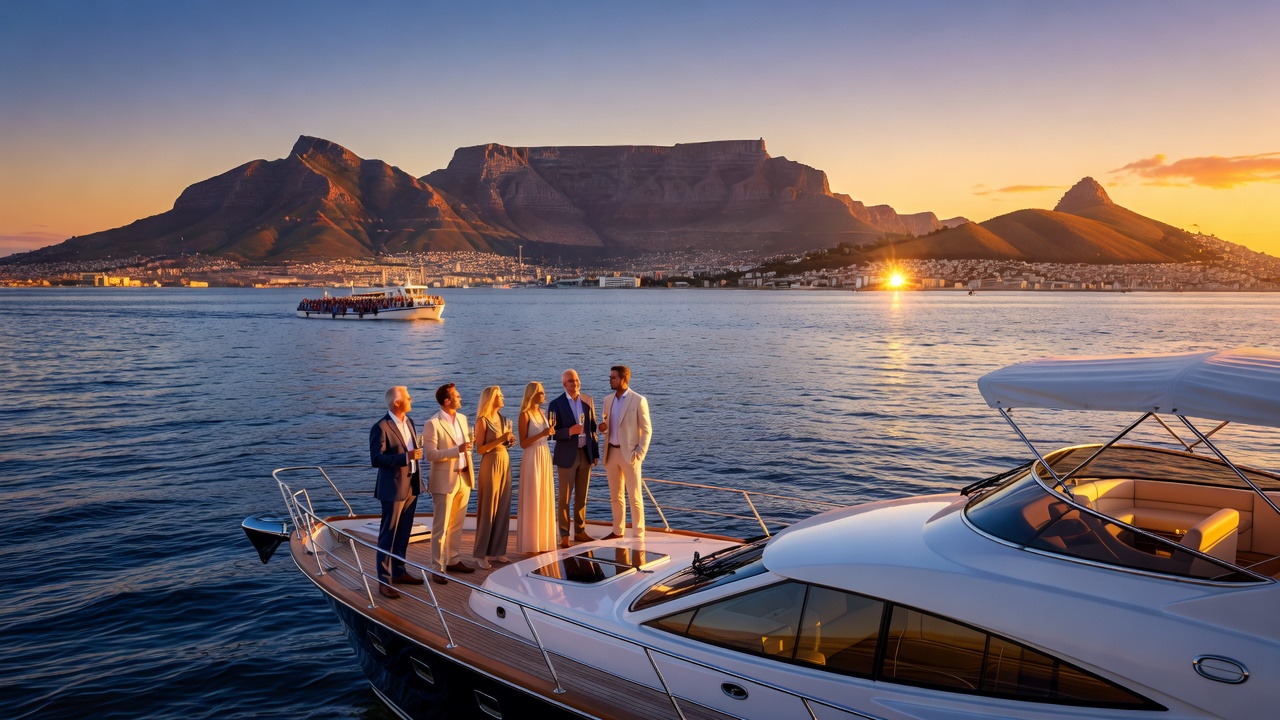
A corporate yacht charter in Cape Town lets your team mix business with one of the most beautiful coastlines in the world. This guide covers the essentials of planning one, with practical steps that keep the day running smoothly. We go from picking the right boat to timing the day so there's room for both work and fun, and the aim throughout is an event that feels genuine, not staged. Knowing the local weather, the seasons and how your group works together helps you avoid the usual mistakes and make the most of the setting. It might be a client day or an internal strategy session. Either way, good preparation is what makes people remember the day for the right reasons.
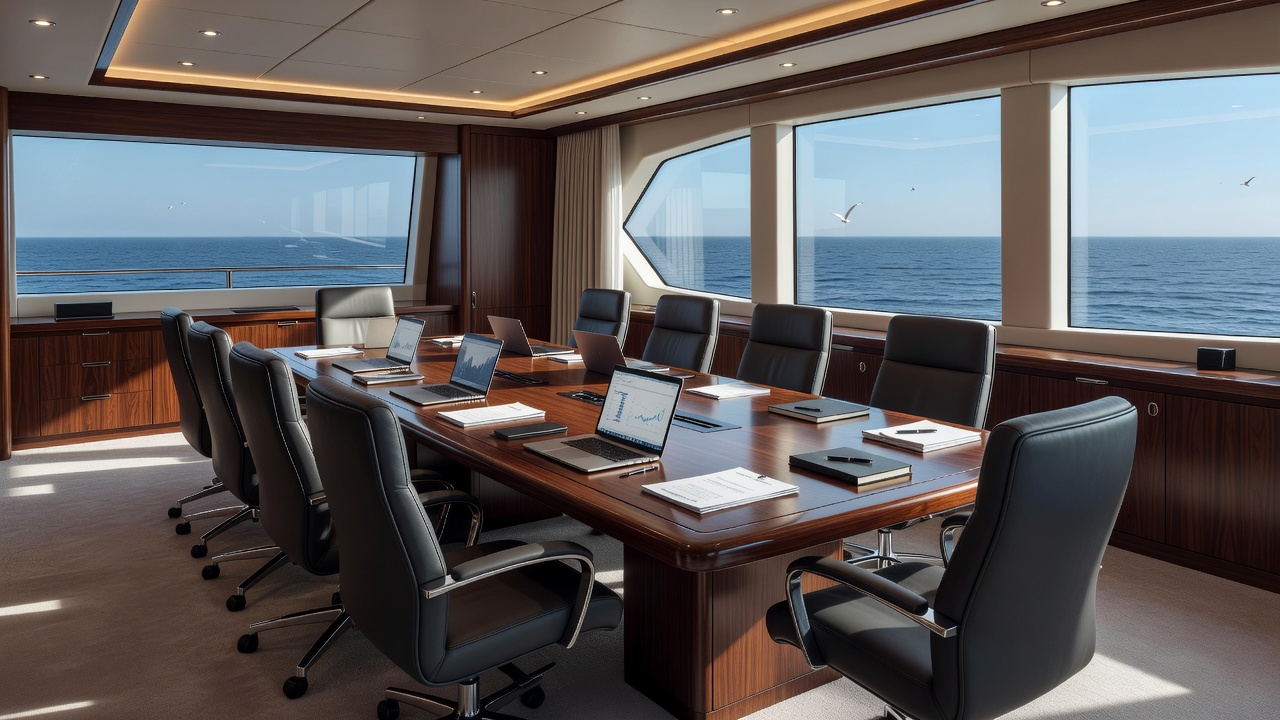
Start by matching the boat's capacity and layout to your numbers and the type of event. Large catamarans give you a stable platform with room to present. Eclipse takes up to 40 guests and has an indoor lounge and a flybridge, Enigma takes 50 and Tigger 2 takes 65. Smaller motor yachts like Princess Emma or Topaz (12 guests each) suit a board meeting or a small client lunch. If anyone needs to dial in remotely, ask about Wi-Fi and power before you book.
Shade, comfortable seating and a layout you can rearrange matter more than flashy extras. Read recent reviews and talk to us about how each boat handles Cape Town's wind. An indoor saloon is a lifesaver if the south-easter picks up.
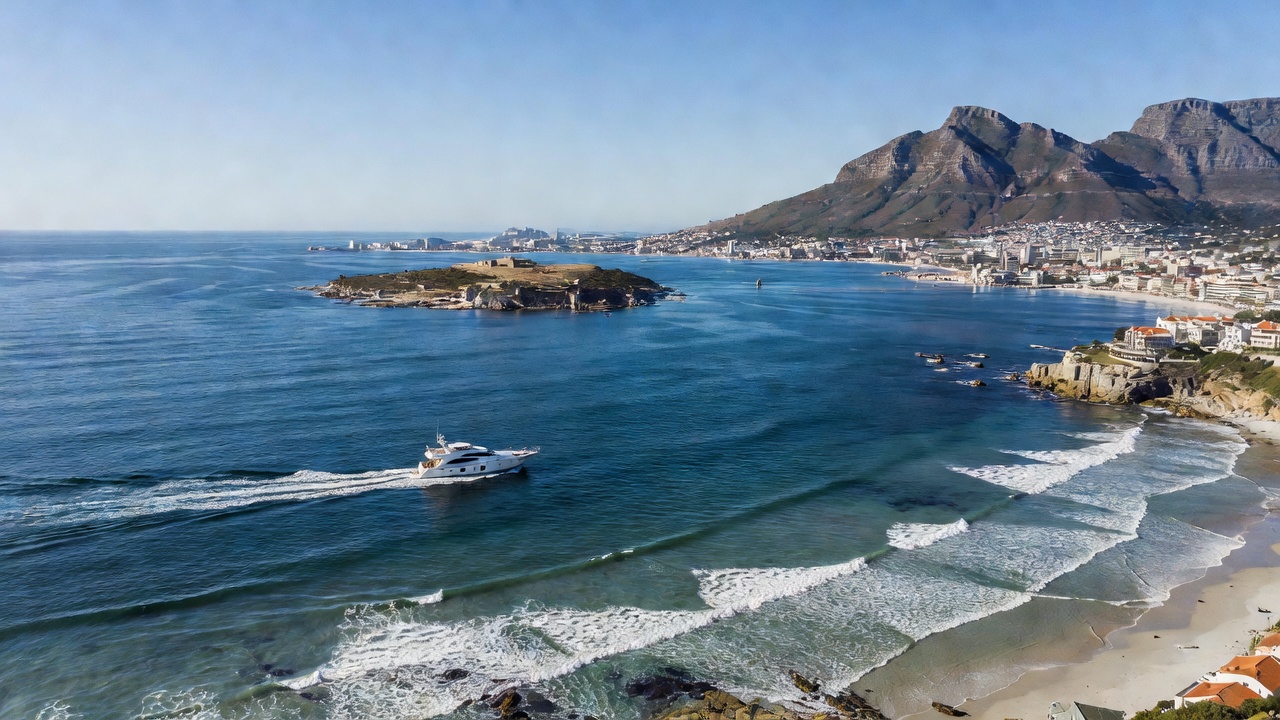
Cape Town's weather changes a lot through the year, so choosing a calmer time cuts the risk of a last-minute change. Spring and early summer often bring settled days that suit a morning meeting followed by afternoon networking. In summer the wind tends to pick up after lunch, so morning sessions are usually calmer. December is the busiest month, so book at least three to four months ahead for year-end dates.
Check sunset times too, so the day flows naturally and nobody gets rushed from one thing to the next. Leave some slack in the schedule for late arrivals or a change in the weather, and the day stays relaxed.
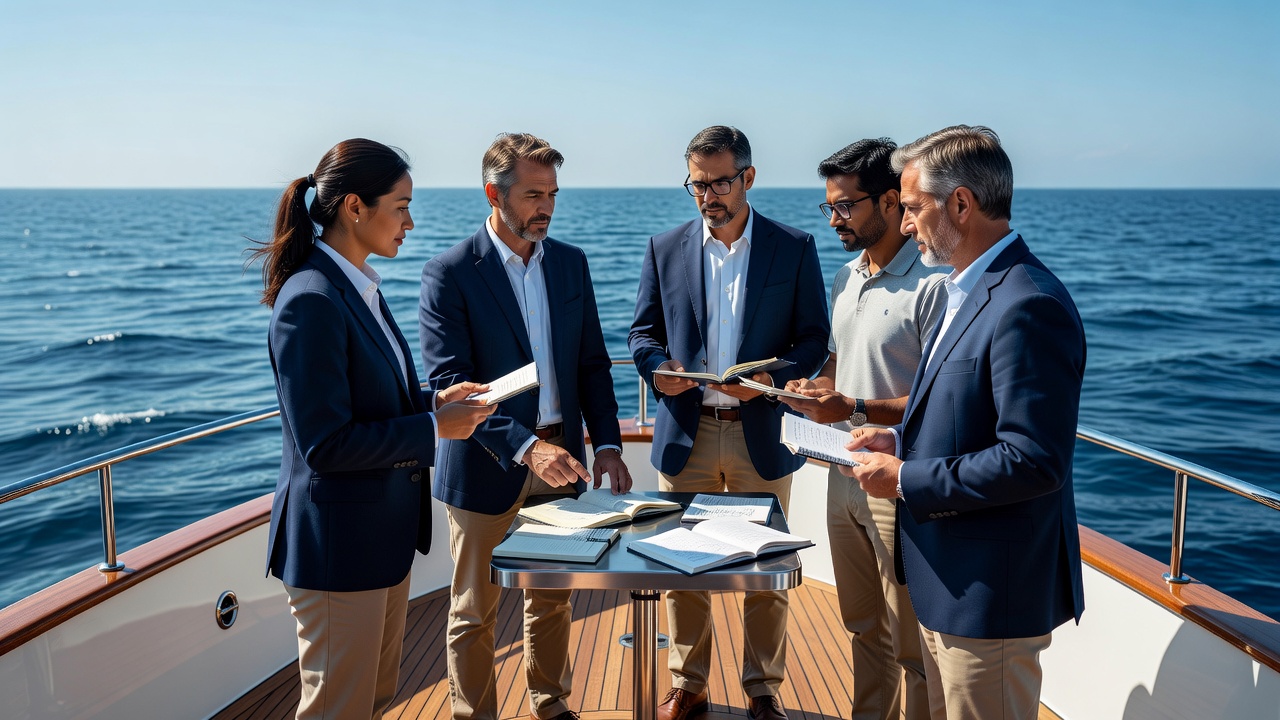
The best corporate charters balance a bit of structure with plenty of time to talk. A short session on deck can be followed by a cruise along the coast to Clifton and Camps Bay, where the conversations happen on their own. Keep the formal agenda to one or two focused blocks rather than filling every hour. People switch off when every minute is planned.
Give people a quiet corner for private calls, and make sure the catering covers everyone's dietary needs. It's the kind of detail guests notice. Light, local food keeps energy up all day, and our on-board catering can be built around your group.
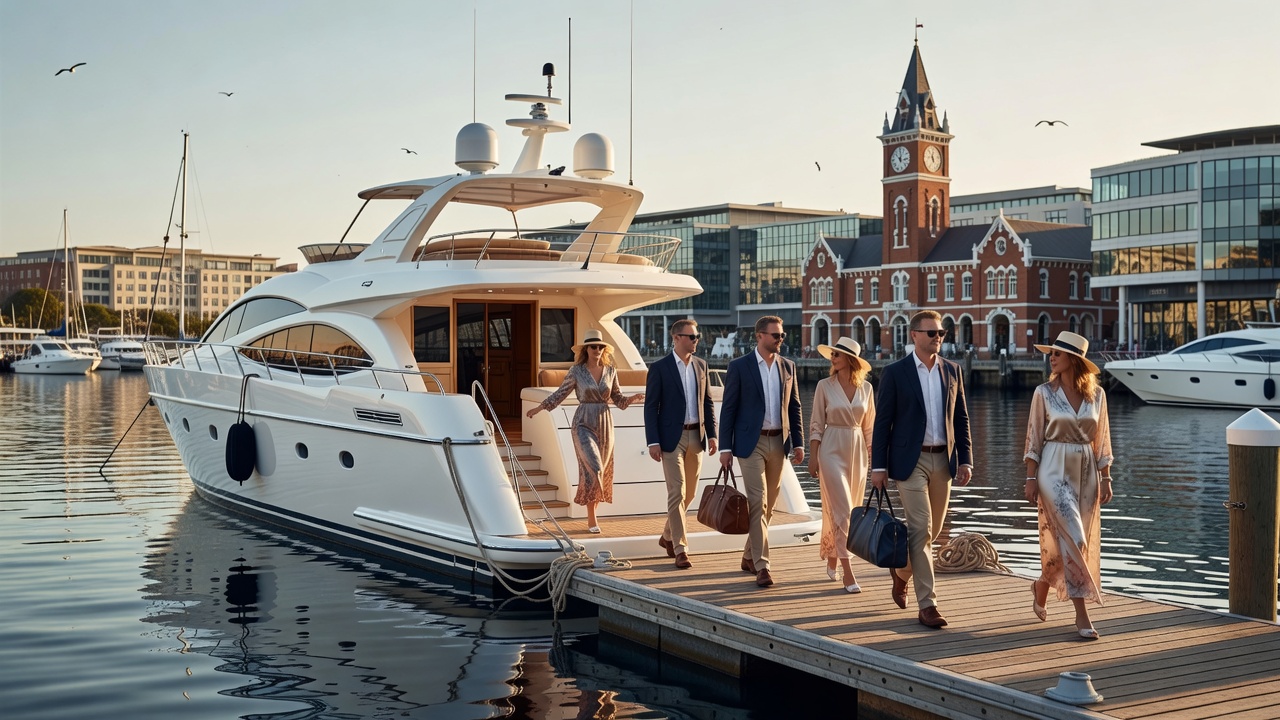
Plan transport from hotels or the airport to the marina as carefully as the boat itself. Clear directions and one contact person on the day avoid confusion when guests arrive from different places. The roads around the V&A Waterfront get busy in summer and at peak times, so build in a little extra travel time.
Sort out parking and any access arrangements for your guests well ahead. A short email to everyone the evening before, with the schedule, meeting point and what to wear, means everyone arrives knowing the plan and the safety basics.
Clear pricing lets you split the budget between the boat, catering and entertainment without nasty surprises. Most boats are priced per hour with a minimum. Enigma, for example, is R12,400 an hour for up to 30 guests, and Tigger 2 is R21,600 an hour for up to 20, with higher rates for bigger groups. For a ready-made option, our Year End Package is R35,000 for a 2-hour private catamaran charter with bubbly and charcuterie boards. The Tigger2 Corporate Braai Cruise is R1,050 per person if you'd rather join a shared cruise. Always check exactly what's included.
A slightly bigger boat is often worth it, because nobody enjoys a crowded deck. Keep track of what you spend against what you wanted to achieve, and the next charter will be even better. Our Cape Town yacht hire prices list every boat and rate.
A short feedback survey shows what people enjoyed most. Notes on timing, food and the balance of work and fun give you something concrete for next time. Did the networking happen? Did the strategy session land? Ask while it's still fresh.
Share a few good photos in your internal newsletter or on social media to keep the buzz going. Booking a photographer for the day makes this easy. Learn from each event and every charter gets better. Planning a December party? Our guide to year-end functions on a boat has boat-by-boat prices.