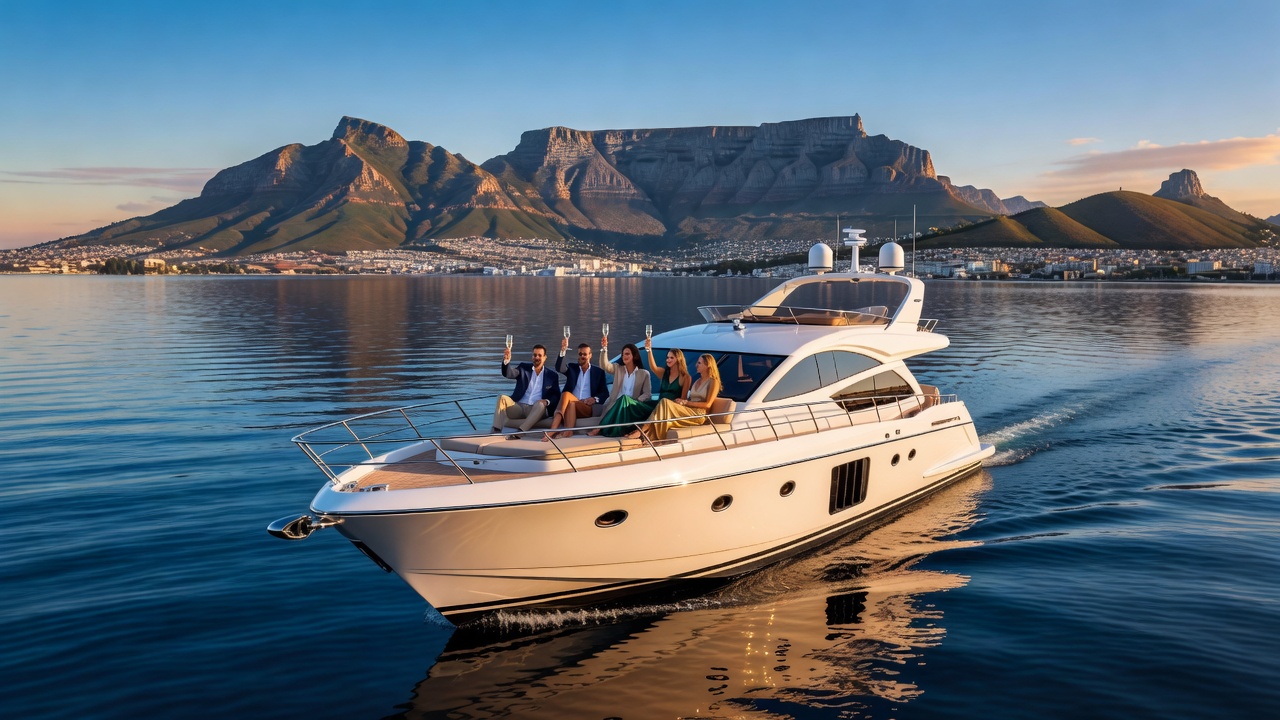
South Africa's coastline changes a lot from month to month, and that shapes what a yacht charter feels like. The cold Atlantic on the west coast and the warm Indian Ocean in the east each bring their own winds, wildlife and scenery through the year. This guide looks at how the seasons affect routes, comfort and what you can do on the water, based on local weather patterns and what our skippers see out there every week. If you're planning a trip, it should help you match what you want with what the coast is likely to deliver.

South Africa has several climate zones, and they make a real difference on the water. The Western Cape has cold water and strong summer winds, while the KwaZulu-Natal coast stays mild and warm all year. That gives you options depending on what matters most to you.
Ocean currents play a big part. The cold Benguela current runs up the west coast, keeping Cape Town's Atlantic beaches chilly (often 12 to 16°C) but rich in sea life. On the other side of the country, the warm Agulhas current flows down from the north and makes for warmer swimming. Knowing which side you're on helps you plan the right kind of day.
Charter skippers keep a close eye on the forecast, and so should you. Check it a few days ahead and keep a back-up date if you can. In Cape Town the wind decides more than the temperature does.
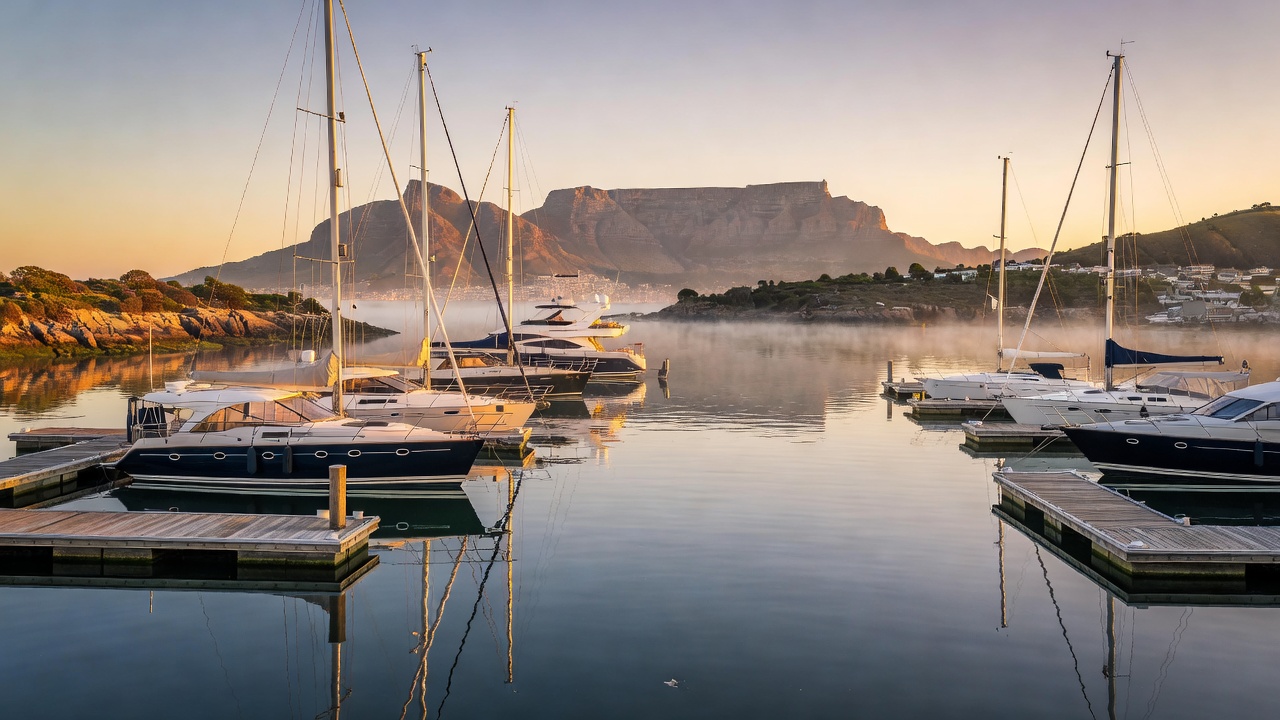
Summer, roughly November to March, is the busiest time on the water in Cape Town. It lines up with the long December school holidays and the international travel season, so the popular boats and sunset slots book up fast. Some boats charge a festive rate too. Motor Yacht Topaz, for example, is R15,829 an hour for most of the year and R17,047 an hour from 1 December 2026 to 31 January 2027.
The shoulder months of April, May, September and October are a good balance. There are fewer boats out, the light is beautiful and the water is often clear. Some boats drop their prices too. IQ Catamaran is R12,375 an hour from April to August and R16,500 from September to March.
Winter, from June to August, brings cold fronts and rain, but between them Cape Town has some of its calmest, clearest days of the year. With shorter days, shorter cruises around Table Bay and the Atlantic Seaboard make the most sense, and the harbour is quiet.
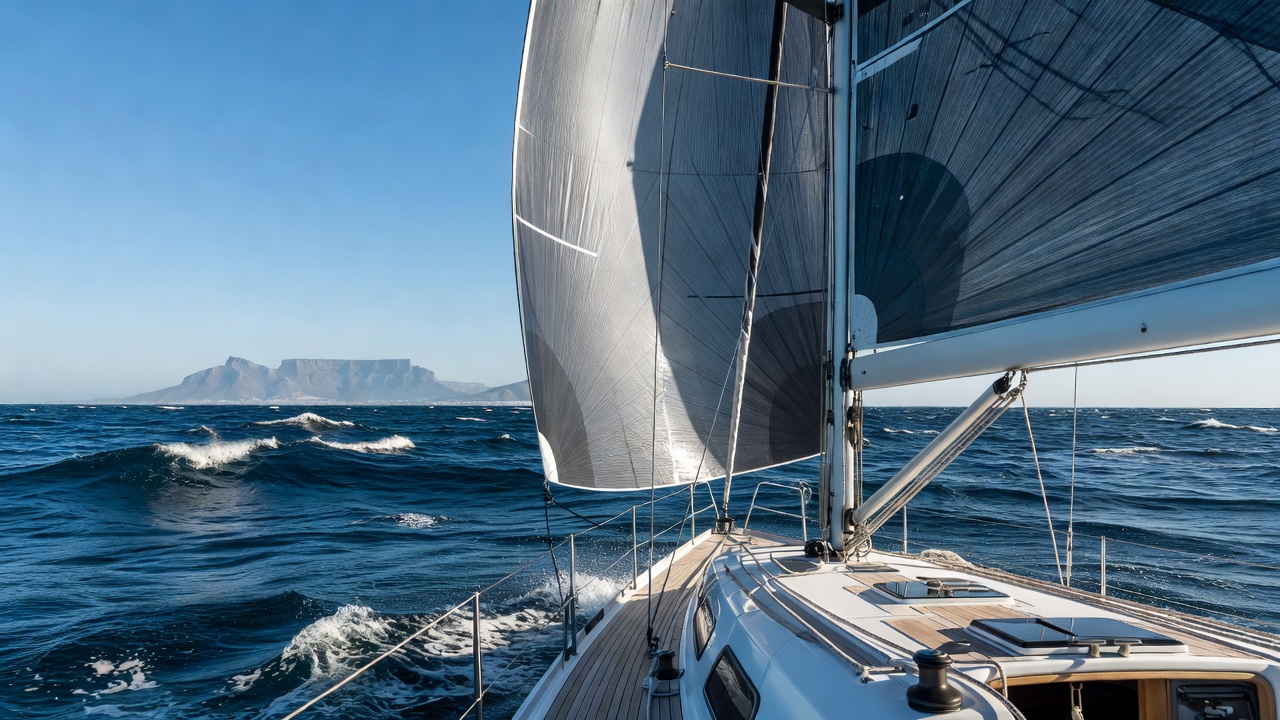
Wind shapes route choices on both coasts. In Cape Town the summer south-easter, locals call it the Cape Doctor, often builds through the afternoon, so morning and early evening sailings tend to be calmer. In winter the wind swings round to the north-west ahead of cold fronts, and skippers time trips for the settled spells in between.
Local sailors look at historical wind patterns before committing to a plan, because they show the usual rhythm of gusty afternoons and calm mornings. Today's weather apps combine those patterns with live readings, which makes timing much easier.
When the wind picks up, a well-maintained boat matters. Our skippers check the rigging, sails and engines before every charter. If the conditions aren't right, they'll suggest a sheltered route or a different time rather than make you uncomfortable.

The seasons bring different wildlife. Southern right whales arrive along the Western Cape coast from around June and stay until about November, with September and October usually the best months. The whale watching trip in Gansbaai is R3,340 per person, including return transfers from Cape Town. Seals and dolphins are around all year off Cape Town.
Snorkelling and diving depend on visibility, which changes with the wind and plankton. In Cape Town, the days after a south-easter often bring clearer water to the Atlantic side. Early mornings are usually the calmest.
Wherever you go, give wildlife plenty of space. Boats keep a safe distance from whales and seals and follow strict viewing rules. A good skipper will position the boat so you get a great view without disturbing the animals.
Book early for the dates and boats you want, especially in December and January. If your first choice is taken, being flexible on the time or the boat usually turns up a good alternative. Our Cape Town yacht hire prices list every boat so you can compare.
Catering and crew arrangements also go better with notice. Our caterers like a few days to source fresh, local produce and anything special you've asked for.
If you're visiting from overseas, check what your travel insurance covers for activities on the water, and have your booking confirmations handy on your phone. Most of the admin is now quick and done online.
Some travellers combine both coasts in one trip, flying or driving between regions to see very different landscapes and sea life. A few days in Cape Town and a lagoon cruise in Knysna on the Garden Route make a great pairing. See our Knysna boat charters.
The logistics need a bit of planning, from flights to transfers, so map out the gaps between legs so you're not wasting days on the road.
The trips people love most are the ones built around what they actually enjoy, not a standard route. For an overview of yacht hire around the country, read our guide to hiring a yacht in South Africa.