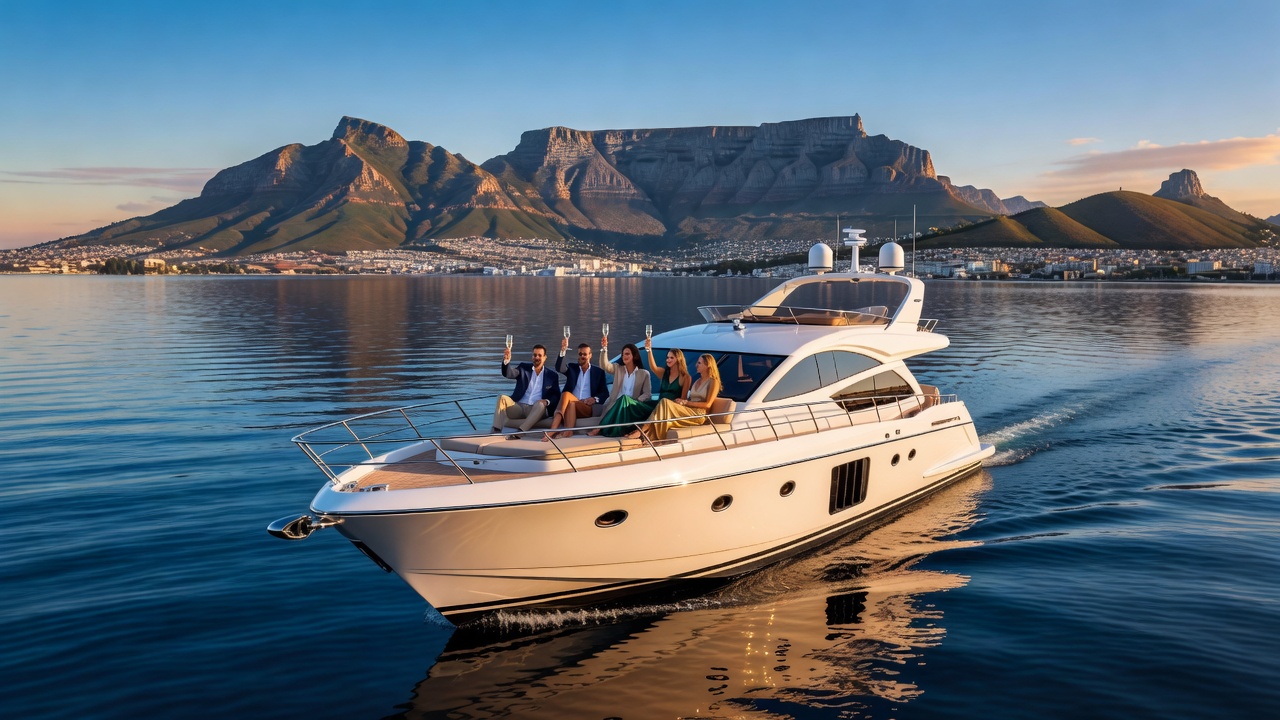
Getting dressed for a yacht charter is mostly about comfort and practicality, with a bit of style thrown in. In Cape Town that means planning for sunshine, wind and a temperature drop the moment the sun goes behind the Twelve Apostles. This guide covers what works on board: fabrics that cope with salt and sun, layers for a changeable day, shoes that grip a wet deck, and a few smart pieces for evening. We also cover packing, so your bag stays light and easy to carry down the jetty. None of this is about chasing trends. It's what our crews see working, trip after trip, for guests who want to spend their time enjoying the water rather than fiddling with their outfit.

Start with fabrics that cope with sea air and strong sun. Linen blends and technical knits breathe well and don't hold moisture, so you stay comfortable on deck on a hot January afternoon. A lot of guests now choose recycled fibres too, which are kinder to the ocean and still hard-wearing.
Try your outfit on before the day and see how it moves. You'll be stepping on and off the boat, sitting on cushions and leaning on rails, so stiff or tight clothes get annoying fast. Quick-dry synthetics and natural weaves work well together. A simple cotton shirt under a windproof jacket covers you when the breeze picks up on the way back into the harbour.

Weather at sea changes quickly, so a few light layers beat one heavy jumper. A thin base layer, a mid-weight top and a windproof shell will see you through a cool morning, a warm midday and a chilly sunset. In Cape Town the wind can make it feel several degrees colder on the water than on the beach at Camps Bay, even in summer. Merino wool is a favourite because it keeps you warm without overheating, and it doesn't hold smells.
A packable gilet adds warmth without bulk and comes off easily when the sun comes out. Make sure your layers still fit comfortably under a life jacket in case the skipper asks everyone to put one on. Get it right and you won't be fiddling with zips all afternoon.

Deck shoes with non-marking soles protect the boat and stop you slipping. Closed shoes that fasten securely are safer than loose sandals when you're moving between wet and dry surfaces, and many crews prefer bare feet on deck anyway. Leave the stilettos at home. If you're planning a swim stop or a beach landing, a pair of light water shoes is handy.
Heavy boots are almost never needed and just take up space. Check the grip on your shoes before the day, because worn-out soles are slippery. Comfortable feet mean more time enjoying the view and less time looking for somewhere to sit.

The sun reflects off the water, so it's stronger than you think. A wide-brimmed hat and a long-sleeved shirt with a UPF rating protect your skin through the middle of the day. Polarised sunglasses cut the glare and make it much easier to spot dolphins and seals. Top up a mineral sunscreen every couple of hours, especially on your nose, ears and the tops of your feet. Neutral colours look great in photos against the blue of the Atlantic.
A scarf or light wrap gives you extra cover when the wind picks up or when you head into the shade of the saloon. Pick pieces that fold flat and you'll barely notice them in your bag. Choose well and the protection feels like part of the outfit, not an afterthought.
Even on relaxed charters, a sunset champagne cruise or a dinner on board calls for something a little smarter. A tailored shirt or a simple dress with clean deck shoes moves easily from the afternoon into the evening. Darker colours hide salt spray better than whites. One or two crease-resistant pieces cover most evenings without filling your bag. If you're still deciding between an evening sail and a longer day out, we compare the two in sunset cruises vs full-day charters.
A light scarf or a statement piece of jewellery adds personality without getting in the way. Check the plan for the day beforehand so you know whether it's smart casual or something dressier. For a yacht proposal or a wedding photo shoot, you'll probably want to dress up a bit. Knowing in advance saves a last-minute panic on the jetty.
Packing cubes and folders keep clothes neat and stop them creasing on the way to the marina. Roll knits and activewear instead of folding them. Put heavier things at the bottom of your bag to protect anything delicate. A soft bag is easier for the crew to stow than a hard suitcase. If you're staying on board overnight, a small travel wash kit lets you freshen up a top for the next day.
Build your outfits around two or three colours so everything mixes and matches. Leave a bit of room in your bag for anything you pick up at the V&A Waterfront. Run through a quick checklist the night before: swimwear, towel, warm layer, hat, sunglasses and sunscreen. Want to know when the weather is kindest? Our guide to the best times of year to charter covers the seasons, and our Cape Town yacht hire prices help you pick a boat.